
Book a private design consultation

Journal

Notes on pools, craft and renovation from the people who build them.

Guides for Dubai homeowners

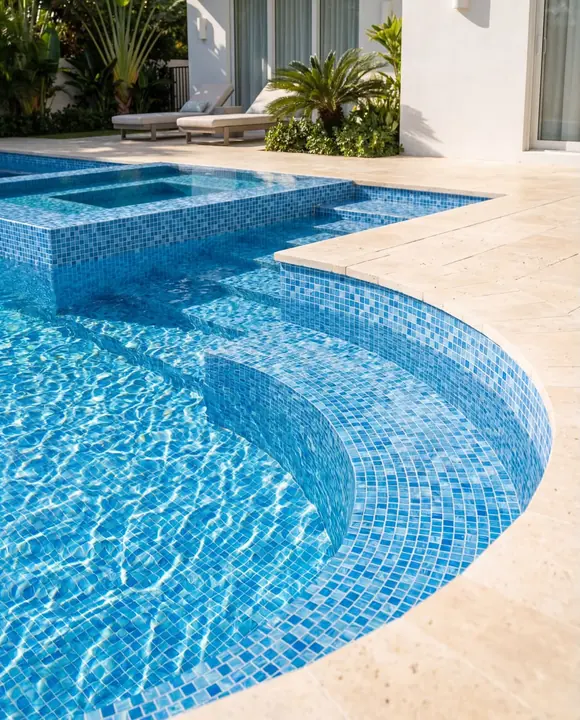
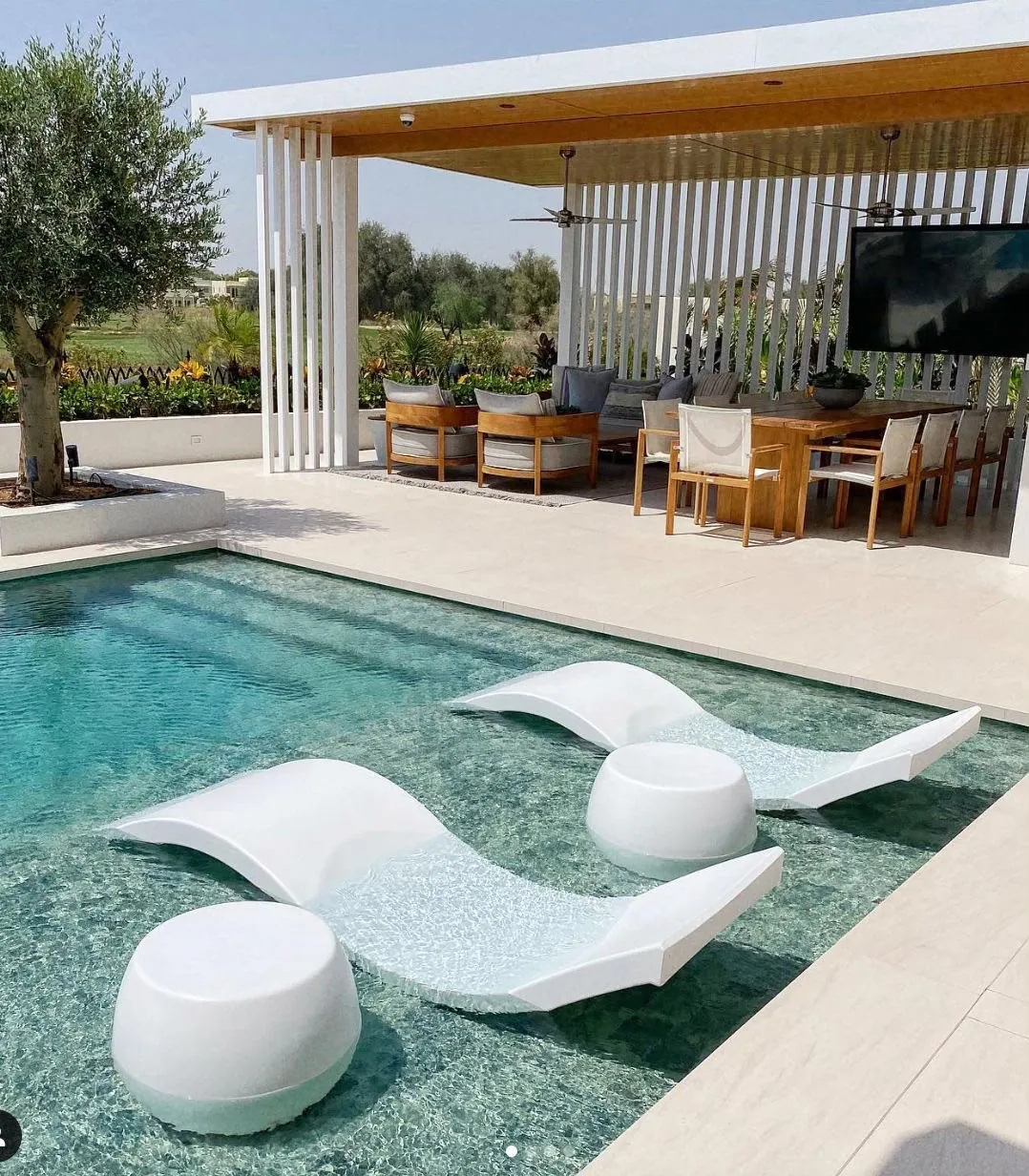
In-pool loungers on a shaded sun shelf beside a dining pavilion

Designing a pool for the Dubai summer

A pool in Dubai has to work at forty-five degrees as well as on a January afternoon. That changes how it should be designed.

Plan the shade first

Most pools are drawn as a rectangle of water and the shade is added later. We start the other way round. A pergola, a pavilion or a well-placed tree decides where you can actually sit between May and October, so it should decide where the shallow areas, steps and loungers go.

Choose stone that stays comfortable underfoot

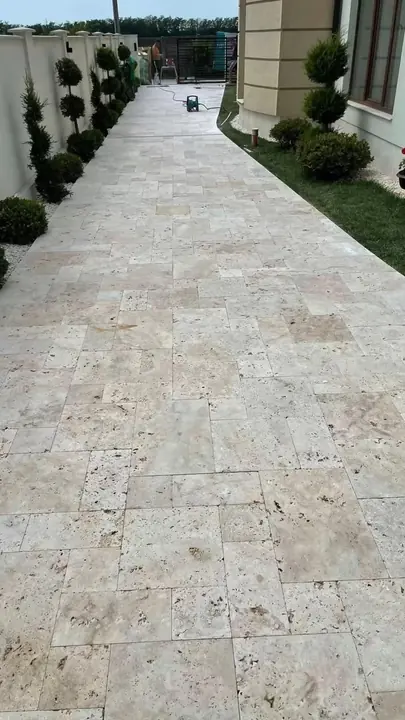
Coping and decking take the full force of the sun. Pale natural stones such as travertine stay noticeably cooler than dark porcelain or granite, and a honed or tumbled finish gives grip when wet. The colour of the stone also sets the colour of the water beside it.

Build in a place to lounge in the water

A sun shelf a few centimetres deep, with in-pool loungers, is often the most used part of a Dubai pool. It lets you stay cool without swimming, and it gives children a safe, shallow zone.

Think about the water temperature

In high summer an outdoor pool can become uncomfortably warm. Allowing for a pool chiller at design stage is far simpler than retrofitting one later.

Design for the evening

Summer pools are used after sunset. Underwater lighting, low path lights and lit planting turn the pool into the centre of the garden at night, rather than a dark shape at the end of it.
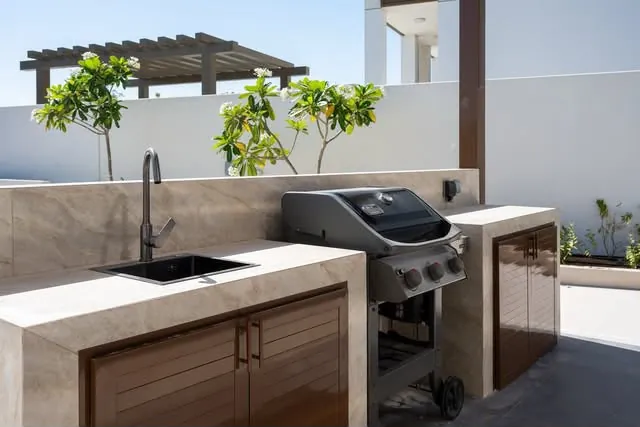
An outdoor kitchen in travertine and timber under a pergola

Why the final five per cent decides everything

Most of a project's budget goes into things you will never notice. Most of how it feels comes down to a handful of details at the very end.

A finished space and a resolved one can use exactly the same materials. The difference is in the junctions: where stone meets timber, where a wall meets the floor, where a light sits relative to the surface it washes.

What we look at

Grout and joint lines that run through from floor to wall. Coping edges that are consistent along their whole length. Lighting that is hidden, so you see the glow and not the fitting. Doors, drawers and panels that align across a whole elevation. Planting that is set out to the design, not to wherever the irrigation happened to run.

Why it is so often lost

These details are usually decided on site, late in the programme, when time and budget are under pressure. If the people making those decisions were not part of the design, the easiest answer tends to win.

That is the reason A&B exists. The people who design the project stay with it through the build, so the final five per cent is finished to the same standard as the first drawing.

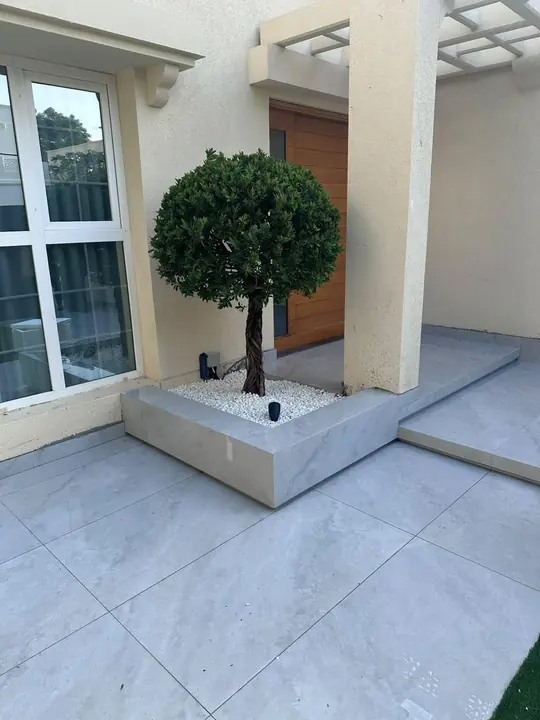
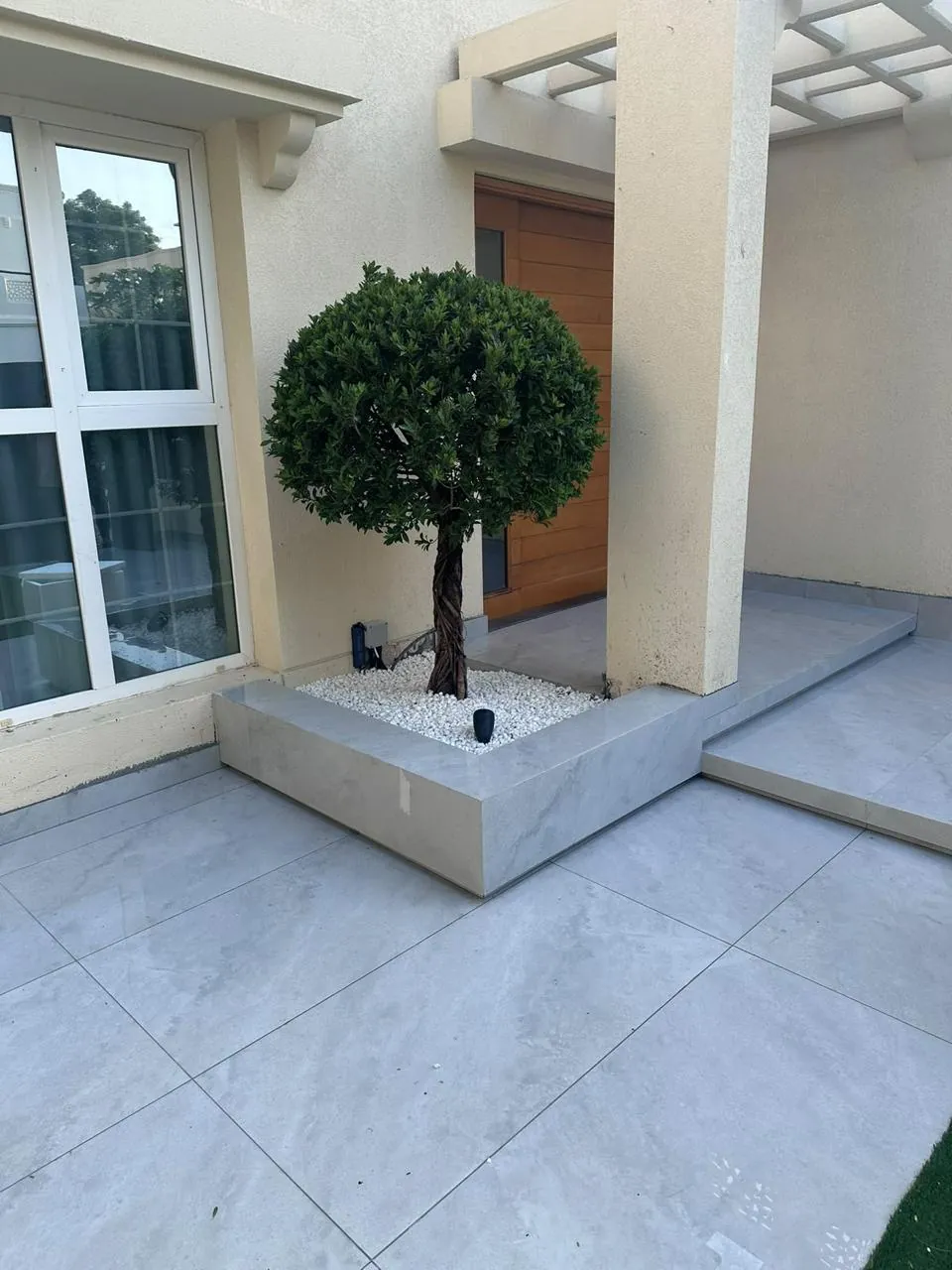
A villa entrance with a clipped standard tree in a stone planter

Five questions to ask before you renovate a villa

The decisions that matter most in a renovation are made before the first wall comes down.

1. What do you want to change about how you live?

Start with how the house is used, not with finishes. Where does the family gather? Which rooms are never used? What would you do if the garden were cooler? A good brief describes a way of living. The design follows from it.

2. What is fixed, and what can move?

Structure, drainage and services set the limits on what is practical. Understanding them early avoids designs that look simple on paper but are expensive to build.

3. Which approvals will you need?

Most Dubai villa communities require approval from the master developer before significant works begin, and some changes need authority permits as well. Build the time for this into the programme from the start.

4. Who is responsible for the result?

When the designer, the contractor and the specialist trades are separate companies, gaps appear between them. Know who owns the outcome, from the first drawing to the final snag.

5. What does "finished" look like?

Agree materials, samples and the standard of finish before work starts, in writing. It is the simplest way to make sure the home you were shown is the home you receive.

Planning something for your home?

Tell us about the property and we'll arrange a private consultation.

Book a private consultation